26.01.2025
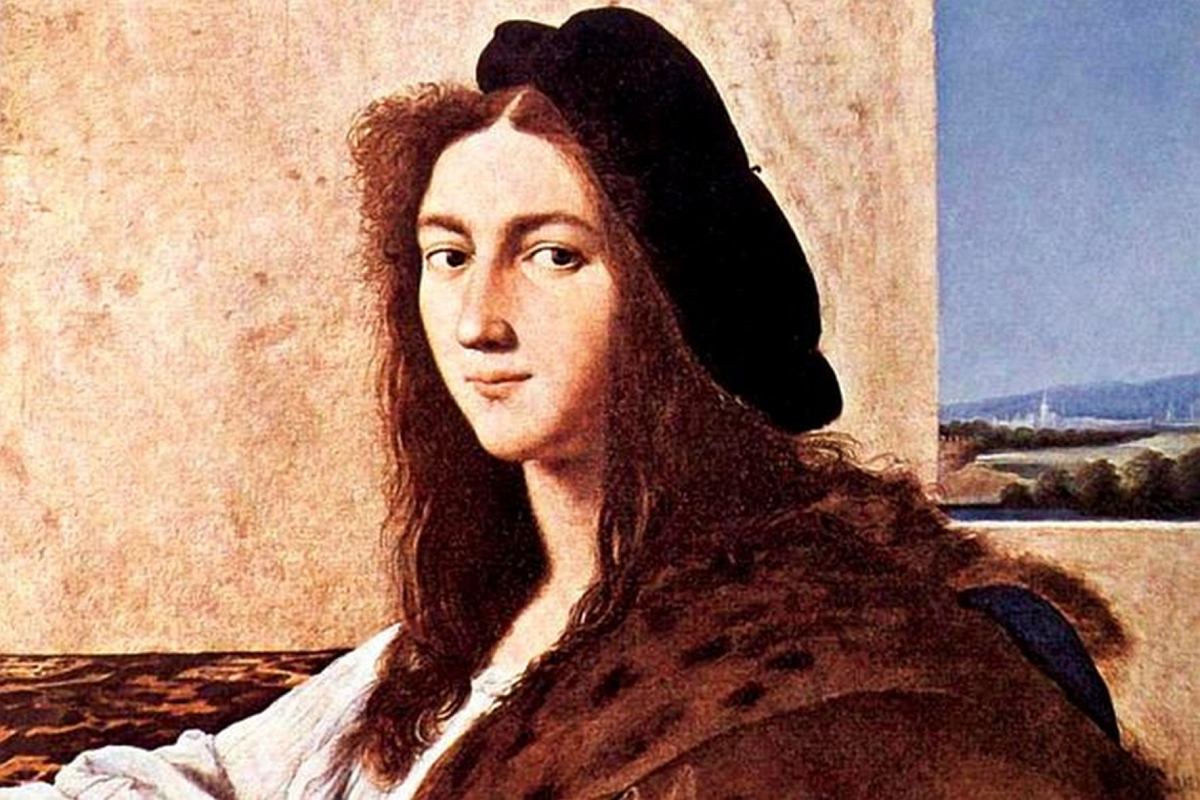
The most valuable work of art lost during World War II still not found!
The painting was part of the famous collection of Izabela Czartoryska née Fleming, whose dream was to create a museum called the Temple of the Sibyl. That is why, in addition to many other works of art, she bought “Lady with an Ermine” by Leonardo da Vinci, “Landscape with the Good Samaritan” by Rembrandt van Rijn and… “Portrait of a Young Man” by Rafael Santi – paintings referred to by art historians as the so-called Big Three.
All three paintings were stolen by Hans Frank – the Governor General of the Third Reich in Poland, who made his residence at Wawel. In January 1945, on Frank’s orders, the looted works of art were transported through Lower Silesia to his residence in Bavaria. However, the boxes that were sent to Bavaria, to Hans Frank’s villa in Neuhaus, did not contain “Portrait of a Young Man” by Rafael Santi.
What happened to the precious painting?
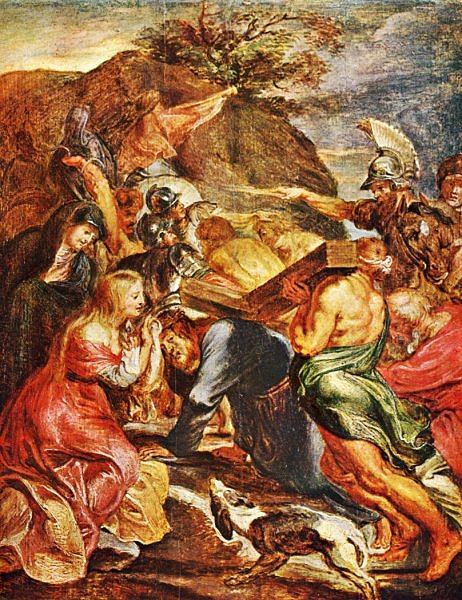
The works of art exported on Frank’s orders were first sent to the palace in Morawa near Strzegom, and then to Cieplice near Jelenia Góra. “Along the way” the collection was reduced by two important works, “Portrait of a Young Man” by Rafael Santi and the painting by Paul Rubens “Christ Falling Under the Cross”.
There are many indications that the disappearance of these two paintings is related to the Viennese curator of monuments, Dr. Eduard Kneisel. It was he who was supposed to prepare hiding places for looted works of art near Sichów (German Seichau) at the request of Hans Frank.
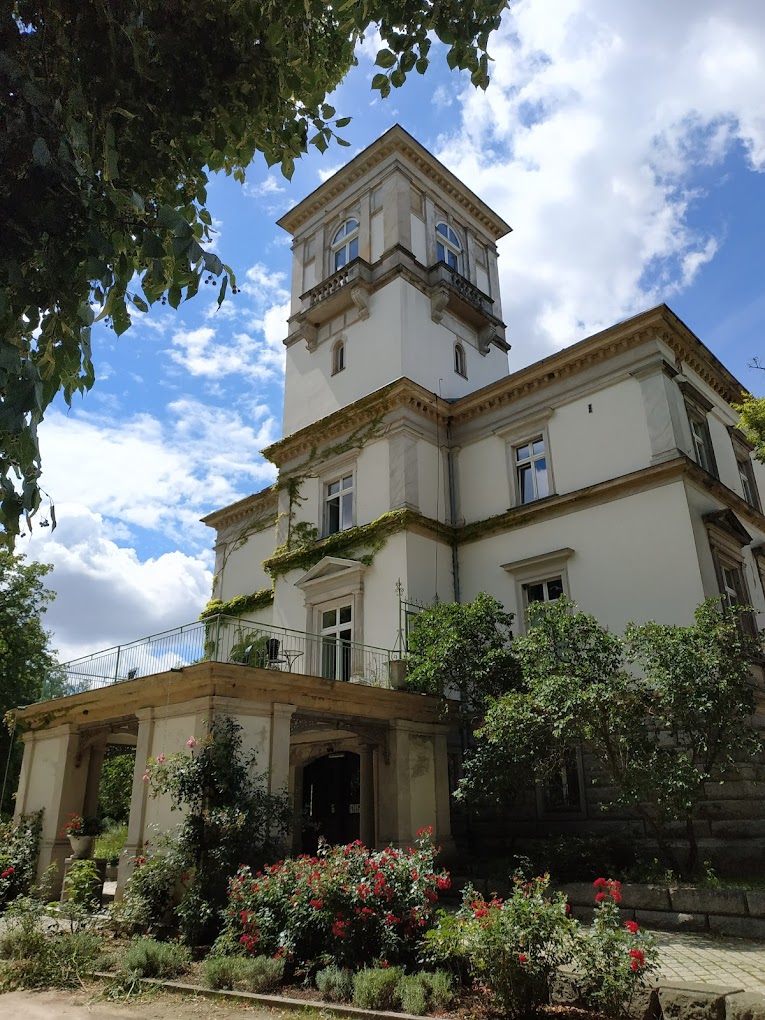
Dr. Kneisel survived the war and even testified. In 1960 in New York, he told Paulina Tylor, a lawyer hired by the pre-war owners of the work, the Czartoryski family, that in February 1945 “Portrait of a Young Man” hung in the villa of Wilhelm Ernst Palezieux, who from 1943 was the special plenipotentiary of the Third Reich for securing art and cultural treasures, near Neuhaus.
However, a few years later he suddenly recanted his previous testimony. He claimed that he “got the images mixed up.” What’s more interesting, Palezieux, who revealed the hiding places of such valuable works as Leonardo’s “Lady with an Ermine” or Rembrandt’s “Landscape with the Good Samaritan”, died in mysterious circumstances in a car accident after serving his sentence and returning to Germany.
Does “Portrait of a Young Man” remain hidden in some collector’s safe? Or maybe it ended up in a so-called “free port” (duty-free zone) in Geneva, where stolen works of art are stored and change owners without leaving the place and without paying tax?
One thing is certain – whoever has this painting will not dare to display it publicly, knowing its origin.